The Agency Model is Changing.
Not because marketing no longer works.
But because the environment around it has fundamentally shifted.
Execution has never been easier. AI can generate ads, build landing pages, write content, optimise bids and analyse performance faster than ever. The barrier to “doing” has dropped dramatically.
But activity does not equal outcomes.
And that is where many businesses are stuck.
More campaigns.
More content.
More dashboards.
More noise.
What they actually want is clarity, direction and commercial impact.
That is why we have built The TDM Growth Circuit.
This is not a service update. It is a positioning shift.
The Agency Landscape Has Changed
For years, agencies competed on capability.
Who could rank fastest.
Who could scale paid media quickest.
Who could produce the most content.
Now, execution is increasingly commoditised.
AI makes it easy to “do more”. Agencies can produce more assets, launch more campaigns and test more variations than ever before.
But the value has shifted.
The doing is easier.
Knowing what to do, why and in what order is harder.
That sequencing. That prioritisation. That commercial judgement. That is where growth either compounds or stalls.
We are seeing more Marketing Directors and Founders overwhelmed by disconnected tactics:
- PPC campaigns not aligned to conversion strategy
- SEO driving traffic into leaky funnels
- Email marketing running separately from acquisition
- Web projects detached from commercial objectives
Activity increases.
Results fluctuate.
The issue is rarely effort.
It is structure.
The Problem With Buying Channels
Many businesses still buy marketing in silos.
They buy PPC.
They buy SEO.
They buy email.
They buy a website.
But buying a channel is not the same as building growth.
Buying PPC without conversion discipline leads to wasted spend.
Buying SEO without a retention strategy caps the long-term return.
Driving traffic without fixing friction is expensive.
Marketing often operates in silos because agencies sell services, not systems.
Each team optimises its own metrics.
Each channel improves in isolation.
But revenue and profit are interconnected.
The real issue is not the channel.
It is the structure.
When growth is treated as a collection of tactics, performance becomes reactive.
When growth is treated as a system, performance compounds.
That insight led to The Growth Circuit.
Introducing The TDM Growth Circuit
The Growth Circuit is our structured framework for building predictable, compounding growth.
It is built around three core growth engines:
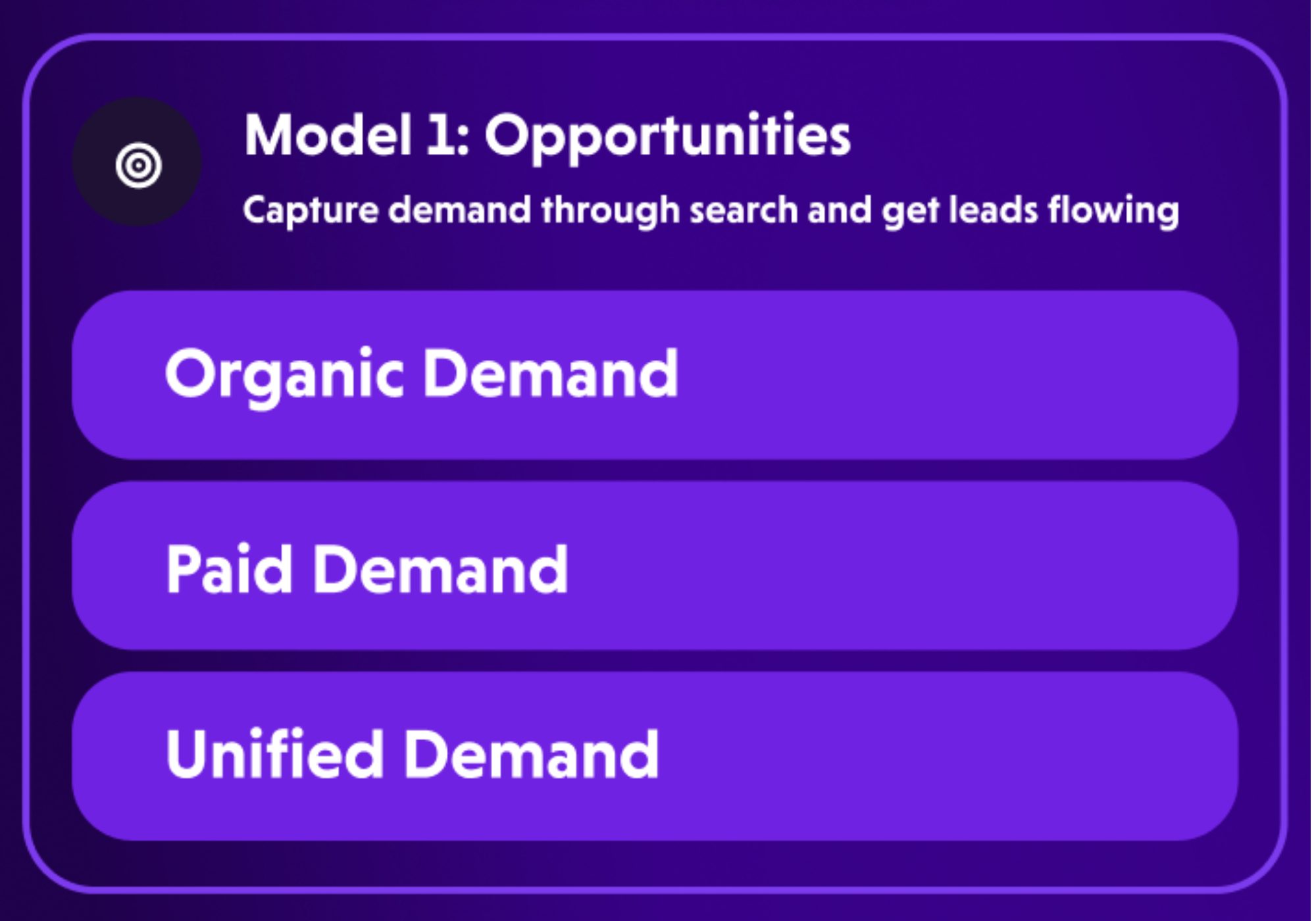
1. Opportunities
Capture demand and generate qualified traffic.
This is where awareness, acquisition and visibility sit. Paid media, organic search, content strategy, partnerships and demand generation activity all feed this engine. The objective is simple: bring the right people into your ecosystem.
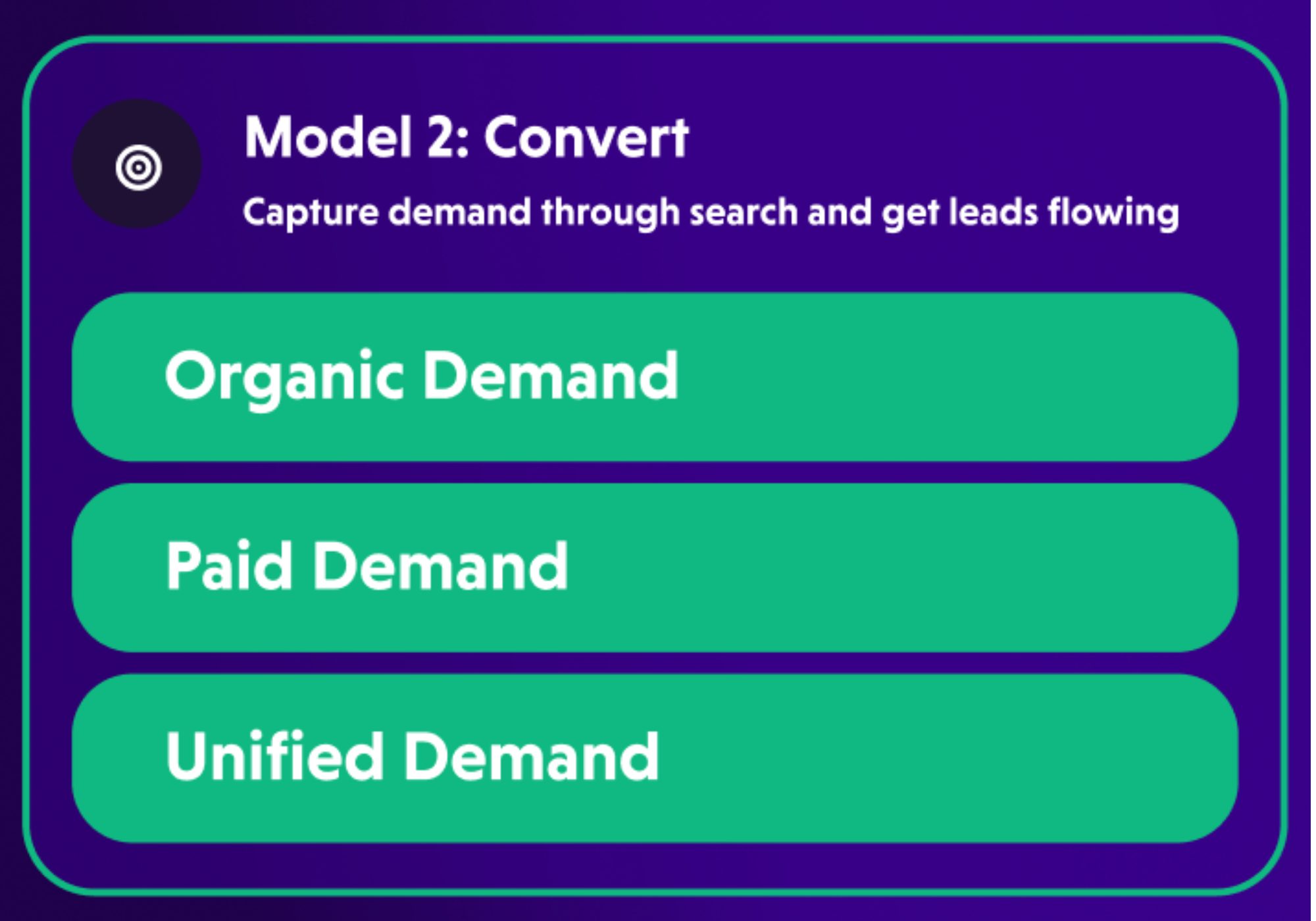
2. Convert
Turn traffic into revenue by removing friction and testing intelligently.
This engine focuses on conversion rate optimisation, user experience, landing page performance, messaging, offer structure and experimentation. Traffic without conversion discipline increases cost. Conversion multiplies value.
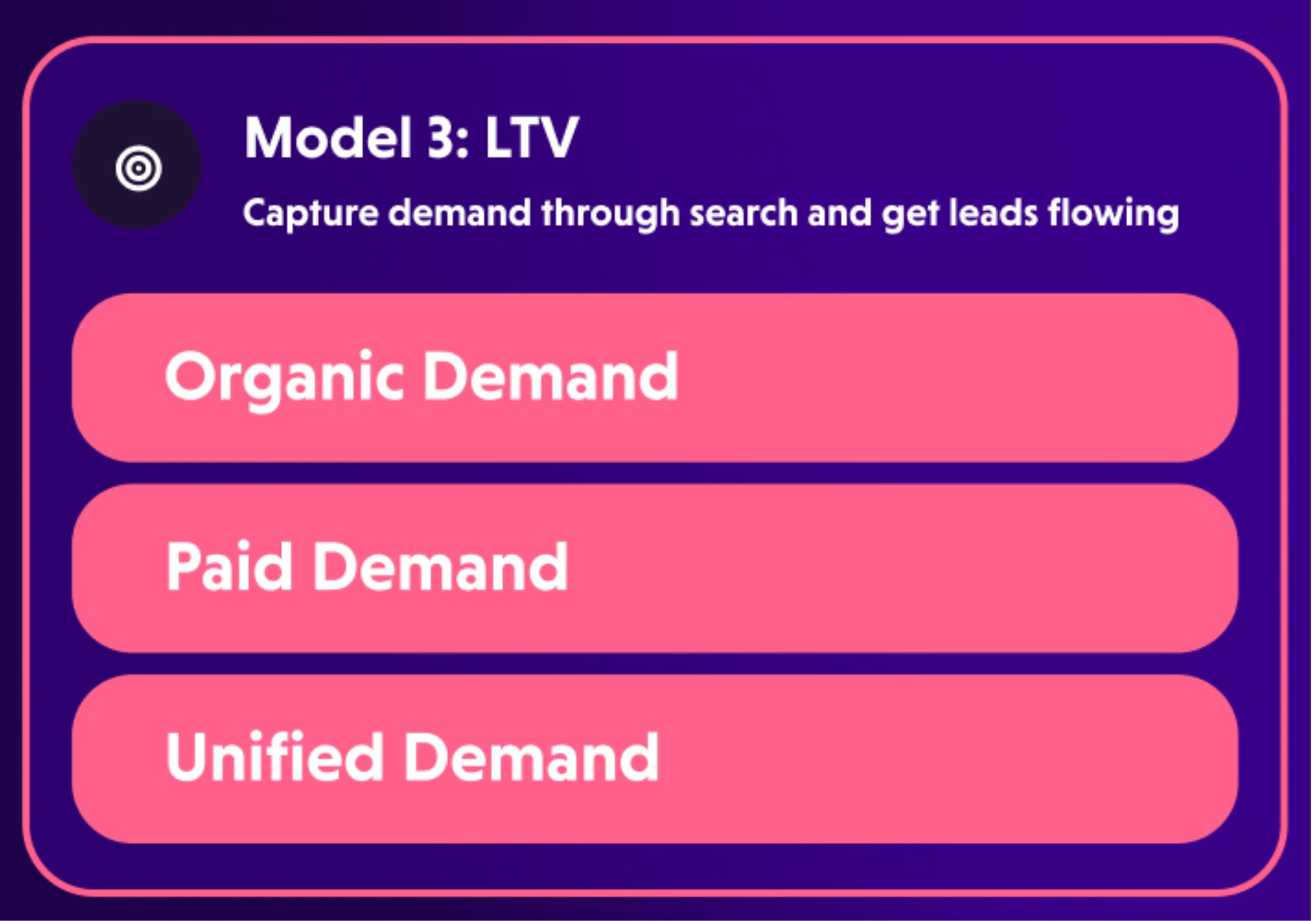
3. LTV
Turn customers into repeat buyers and maximise profit.
Retention, lifecycle marketing, email automation, upsell pathways and customer experience live here. Acquisition fuels growth, but lifetime value protects margin and drives profitability.
These engines are connected.
Not sequential.
Not isolated.
Not linear.
Businesses can enter at different stages.
Some are strong at generating demand but weak at converting it.
Others convert well but lack predictable traffic.
Some acquire effectively but have no structured retention system.
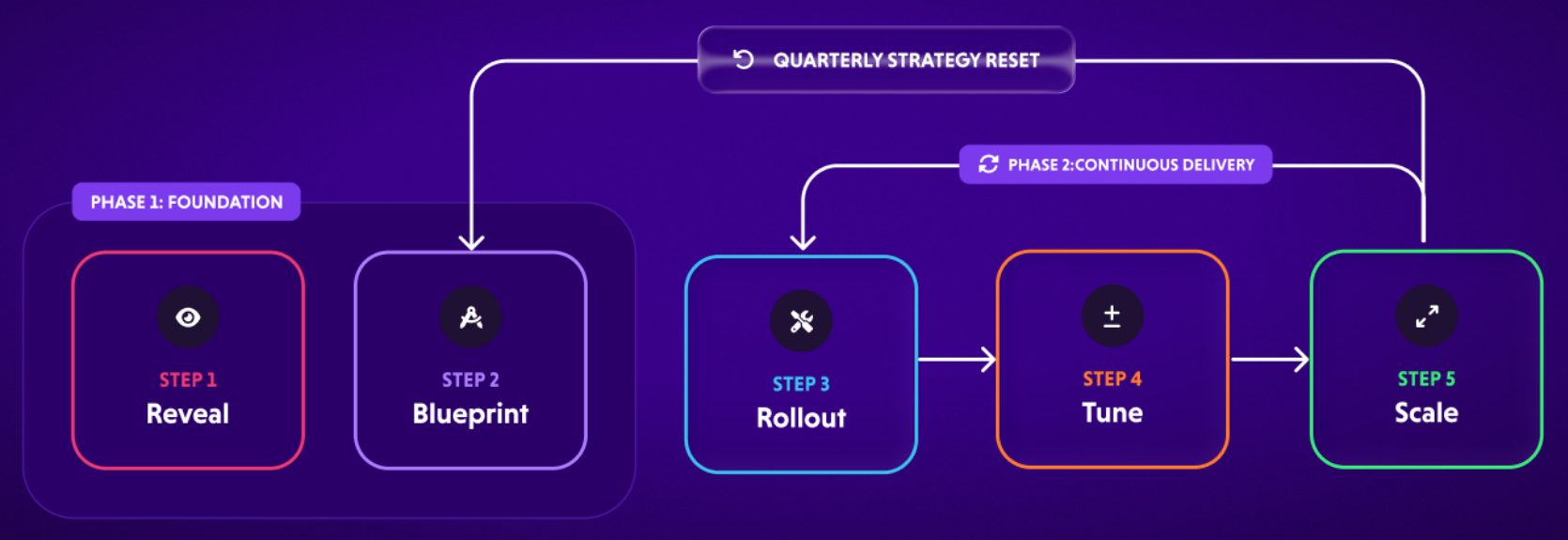
The 5 Step Operating Framework
A framework is only useful if it can be executed consistently.
That is why we operate The Growth Circuit through a defined five step process.
1. Reveal
We diagnose and surface friction.
- Where is demand being lost?
- Where are costs creeping in?
- Where is value leaking?
This stage is commercial, not cosmetic. It is about understanding what is truly limiting growth.
2. Blueprint
We design the growth plan.
- We define priorities.
- We sequence activity.
- We align engines.
The Blueprint replaces channel noise with structured direction.
3. Rollout
We implement.
- Campaigns launch.
- Pages are built.
- Automations go live.
- Tracking is aligned.
Execution still matters. But it is guided by a commercial framework.
4. Tune
We optimise based on commercial data.
Not vanity metrics.
Not channel metrics in isolation.
We look at contribution margin, cost per acquisition, lifetime value and return on investment.
We refine what works and remove what does not.
5. Scale
We compound results.
Once engines are stable and performing, investment increases.
- Processes tighten.
- Automation improves.
- Decision-making accelerates.
Growth becomes less reactive and more predictable.
Then the circuit continues.
Reveal. Blueprint. Rollout. Tune. Scale.
A Practical Scenario
Consider an established e-commerce business generating strong traffic through paid media.
Revenue is growing.
Margins are not.
Under a traditional channel model, the instinct might be:
- Improve ROAS
- Adjust bids
- Launch new campaigns
Under The Growth Circuit, the approach is different.
- We Reveal that the real friction sits in conversion and retention.
- We Blueprint a plan prioritising landing page testing and lifecycle automation before increasing spend.
- We Rollout structured experimentation and post-purchase engagement flows.
- We Tune based on contribution margin, not just revenue.
- Only once the back end is strengthened do we Scale acquisition.
The result is stronger profitability without increasing total spend.
That is the difference between buying marketing tasks and building growth systems.
Why This Matters for Clients
For Marketing Directors, Managing Directors, Founders and Commercial Leaders, The Growth Circuit provides:
- Clearer Strategic Direction: No more guessing which channel to prioritise. Every activity fits within an engine.
- Less Channel Confusion: Tactics are aligned to outcomes, not run in isolation.
- Faster Decision-Making: When structure is defined, trade-offs become clearer and execution accelerates.
- Stronger ROI: Investment is directed where it multiplies, not where it simply increases activity.
- Compounding Growth: Short-term wins are valuable. Structured systems create long-term momentum.
In a market where AI accelerates execution, competitive advantage no longer comes from simply doing more.
It comes from doing the right things, in the right order, for commercial impact.
The Positioning Shift
The Growth Circuit represents how we now operate.
We are not moving away from SEO, PPC, Web or Lifecycle marketing.
We are repositioning them inside a commercially structured growth system.
Execution is important.
Structure is critical.
This is how we elevate beyond being “an agency”.
We become growth operators.
What Happens Next
We are now onboarding new clients under The TDM Growth Circuit model.
Existing clients will see this structure introduced into strategic planning and quarterly growth sessions.
If you would like to see where your business sits within The Growth Circuit, let’s talk.
We are now onboarding businesses under this model.
If you are buying marketing tasks and not growth systems, it may be time for a rethink.
Predictable growth does not happen by chance.
It happens by design.