In the highly competitive home and garden sector, local visibility can be a game-changer. With many of your products being tangible items that are seen every single day, most customers will want to look them over before making a purchase. This means visiting a physical store and that means local customers.
When you want to increase local customer traffic, you need to review your local SEO efforts. Even when potential customers are looking for a physical store, their first stop will be a search engine. In fact, according to Google, 76% of people who carry out a ‘near me’ local search will visit a business within one day.
Your business needs to be a top result on that search. But knowing you need to get there is one thing – how do you make it happen?
The answer is SEO – or, in this case, local SEO.
Search engine optimisation (SEO) is the art of convincing search engines to rank your website highly in their results, and local search engine optimisation is about winning those higher rankings in the local search results.
While an effective local seo strategy can benefit any business that relies on physical traffic, when it comes to home and garden businesses, some approaches will be more effective than others. In this post, we’re going to look at exactly what your options are and how to implement them.
So read on to see how to help your business climb up the local search results, with seven sure-fire ways to communicate to search engines – and customers – that your home and garden business is worth noticing.
Yes. Any business looking for potential customers in their local area needs local SEO. It is that simple.
Local SEO serves two functions for search engines like Google.
Search engines retain their user base by providing relevant and reliable results to searchers. This is how they keep their users returning to their search engine instead of switching to AI search engines like ChatGPT or social media.
Local SEO lets you demonstrate to search engines that your website will meet the needs of their users. It shows that you’re an authority in your sector, so visitors can trust your product or service and will be happy with what they purchase from you. This means search engines will also trust you.
Finally, it ensures that search engine algorithms connect your website and business to a particular geographic location and understand when they should be included in “Near Me” searches.
Don’t be fooled into thinking that a reliance on foot traffic to your home and garden business means that your online visibility won’t matter. In fact, the exact opposite is true.
Brightlocal research shows that 66% of people consider Google the best place to find local businesses. As a home and garden business which relies on local customers, this means you need to be one of the first results people see.
And local SEO is what makes that happen.
The best place to begin with local SEO efforts is always your Google Business Profile. This gives Google vital information about your business that will be used across:
These results are usually the first introduction potential customers have to your business, so it’s important they’re both accurate and complete.
Google data shows that customers are 70% more likely to visit (and 50% more likely to consider purchasing from) a business with a Google Business Profile, showing just how important it is to get this right.
Ensure your listing is complete and up to date. Double-check that all your contact details are correct – your address, phone number, email and web address will all appear in your profile. You should also check your opening hours.
You can also optimise your profile to provide additional key information to searchers. Pick relevant business categories and add a company description, photos, business attributes, products and services. 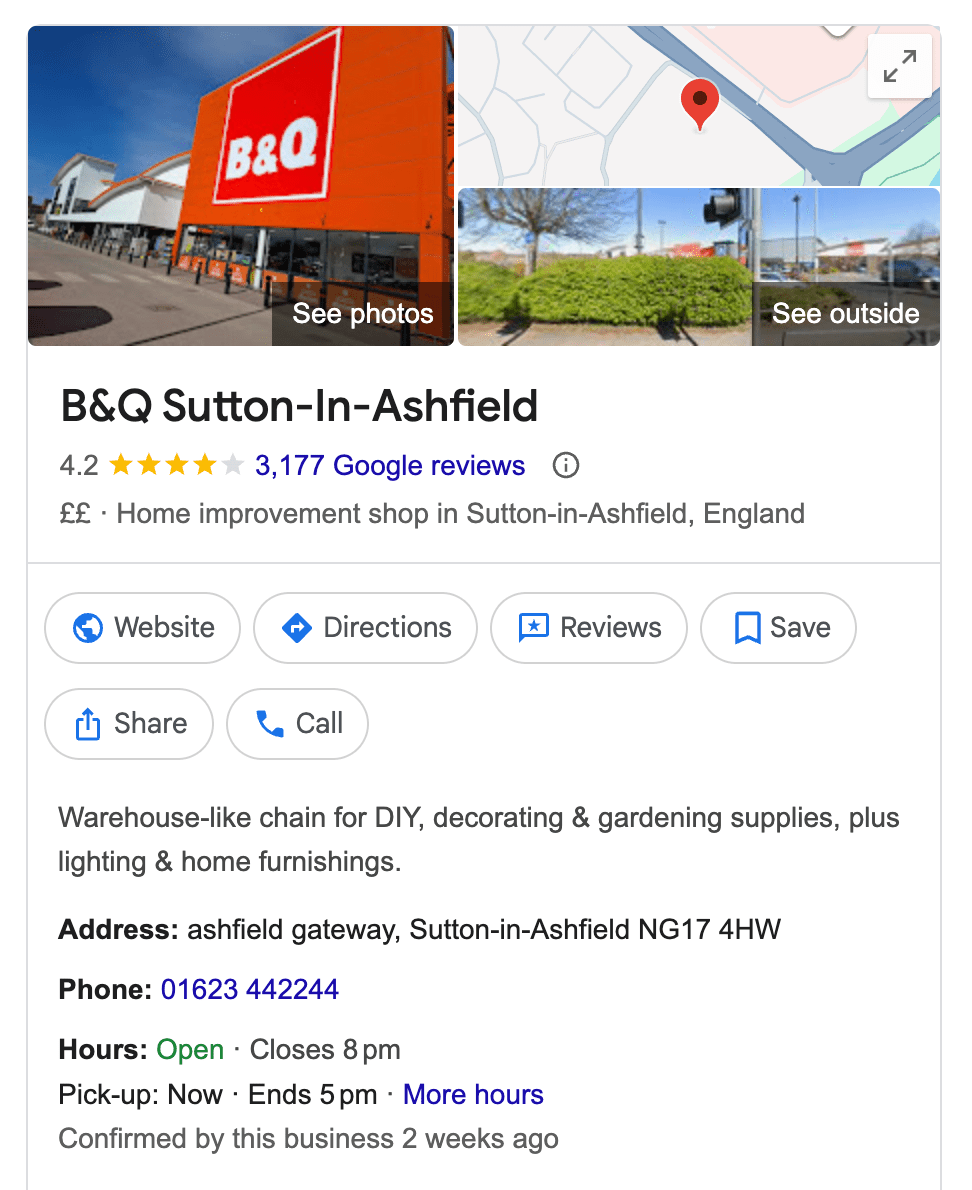
If you want to make sure search engines understand your physical location, you need a strong online presence that establishes where you are. And posting local content can really help to do that.
Blog articles and location service pages can both be useful for this. These are a great way to include local keywords that signify geographic location, while also adding interest for your local market of customers.
Topics you could cover in blog posts include coverage of local events, details of your own local partnerships or coverage of subjects of particular local interest. A furniture store could do a deep dive on the furniture of a local historic home, or a window company could cover glass restoration of a local listed building. A garden centre could write a post on a local flower show, or provide information about local indigenous plants.
The most important thing is to keep it all relevant to your own product offering.
Since the 2022 Helpful Content Update, Google algorithms consider the quality and relevancy of ALL content across a website. This means that irrelevant content written just to include local keywords could actively damage your search rankings.
If your business operates across multiple locations, location pages can also help. These should also contribute to your website content though, including unique information such as directions, products and services, and never duplicate content.
Keywords are often seen as the foundation of SEO strategies. Local SEO is no exception.
This does not just mean adding your address across the site in headers or footers. Carry out keyword research to discover how potential customers search for your product or service in their local area.
Keyword research is important here. While you should be using geographic signifiers (like ‘near Derby’ or ‘near me’) this is only scratching the surface of the benefits that local keyword research can reveal.
Location-specific search terms could also include regional variations on how people refer to your product. For example ‘settee’, ‘sofa’ and ‘couch’ would all refer to the same item of furniture, but each one is more commonly used in different places.
Speaking the same language as the people in your local area is vital for your online visibility. It helps search engines see that you understand your customers – using location-relevant keywords proves your local authority, while also making sure that those search terms appear on your pages for algorithms to see.
This keyword research also helps you find keywords with a good balance of search volume and difficulty, giving you the same competitive advantages that all keyword research does.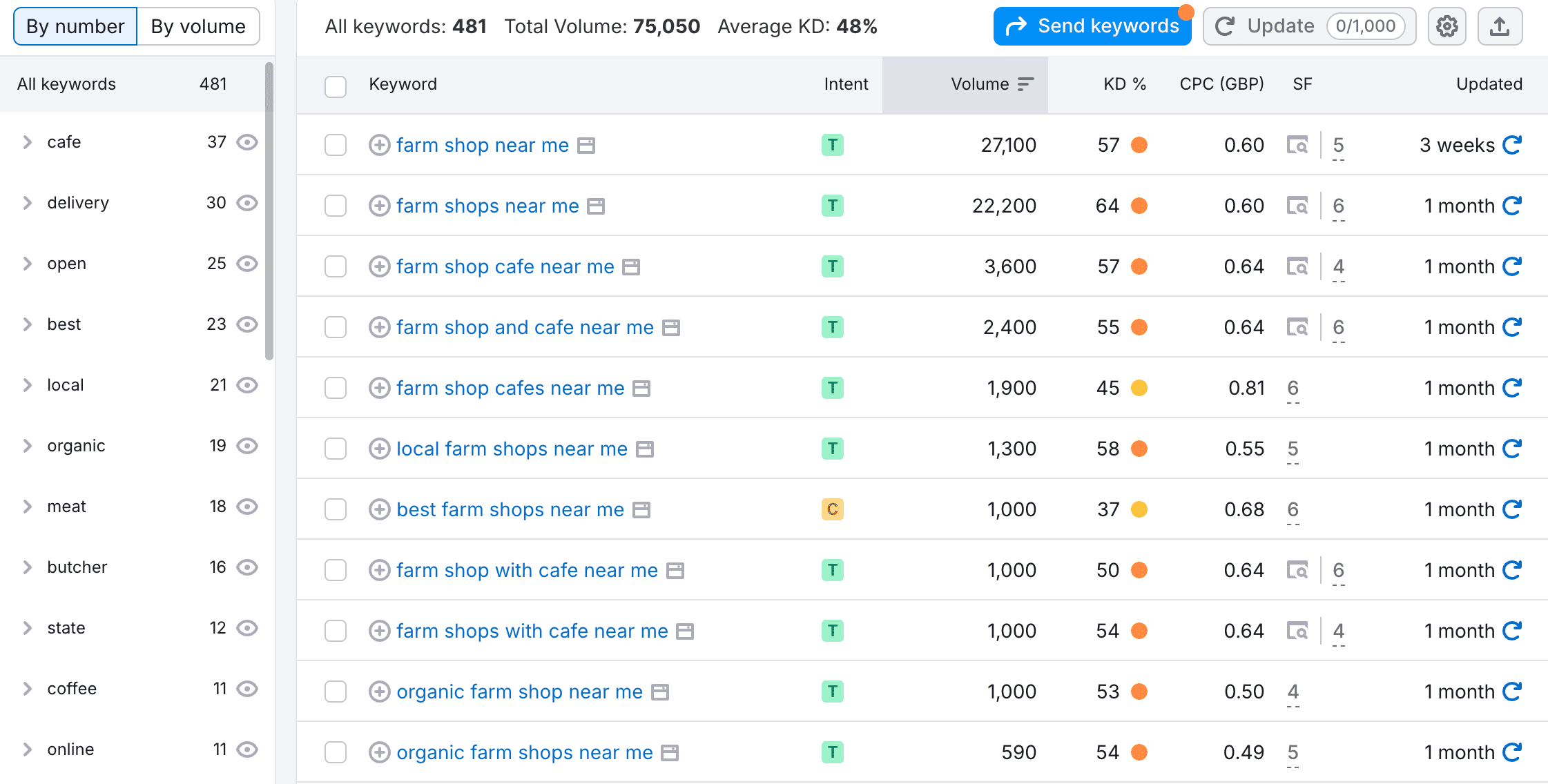
As a home and garden business owner, you’re probably aware of the benefits that connecting with local businesses can bring. But did you realise boosting your local SEO is among them?
Joining local referral networks, partnering with other businesses and sponsoring local events can all help strengthen the connection between your website and your business location, especially if you use external links to sites with a strong geographic standing – or even earn valuable backlinks.
Connecting with your local community can even be valuable customer research. It helps you understand what’s important to local people so you can tailor your marketing, your products and all other aspects of your business to impress them specifically.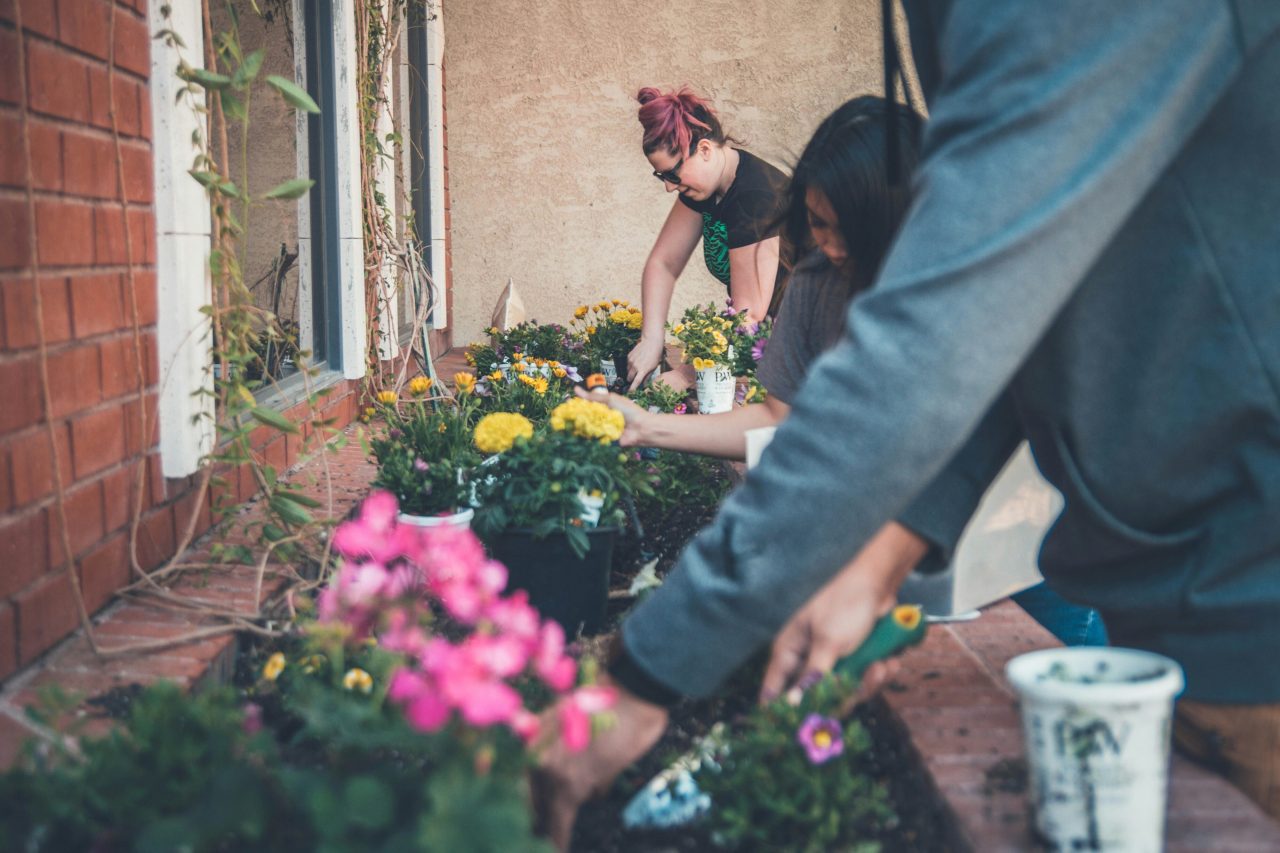
Another valuable resource for local link building is directories.
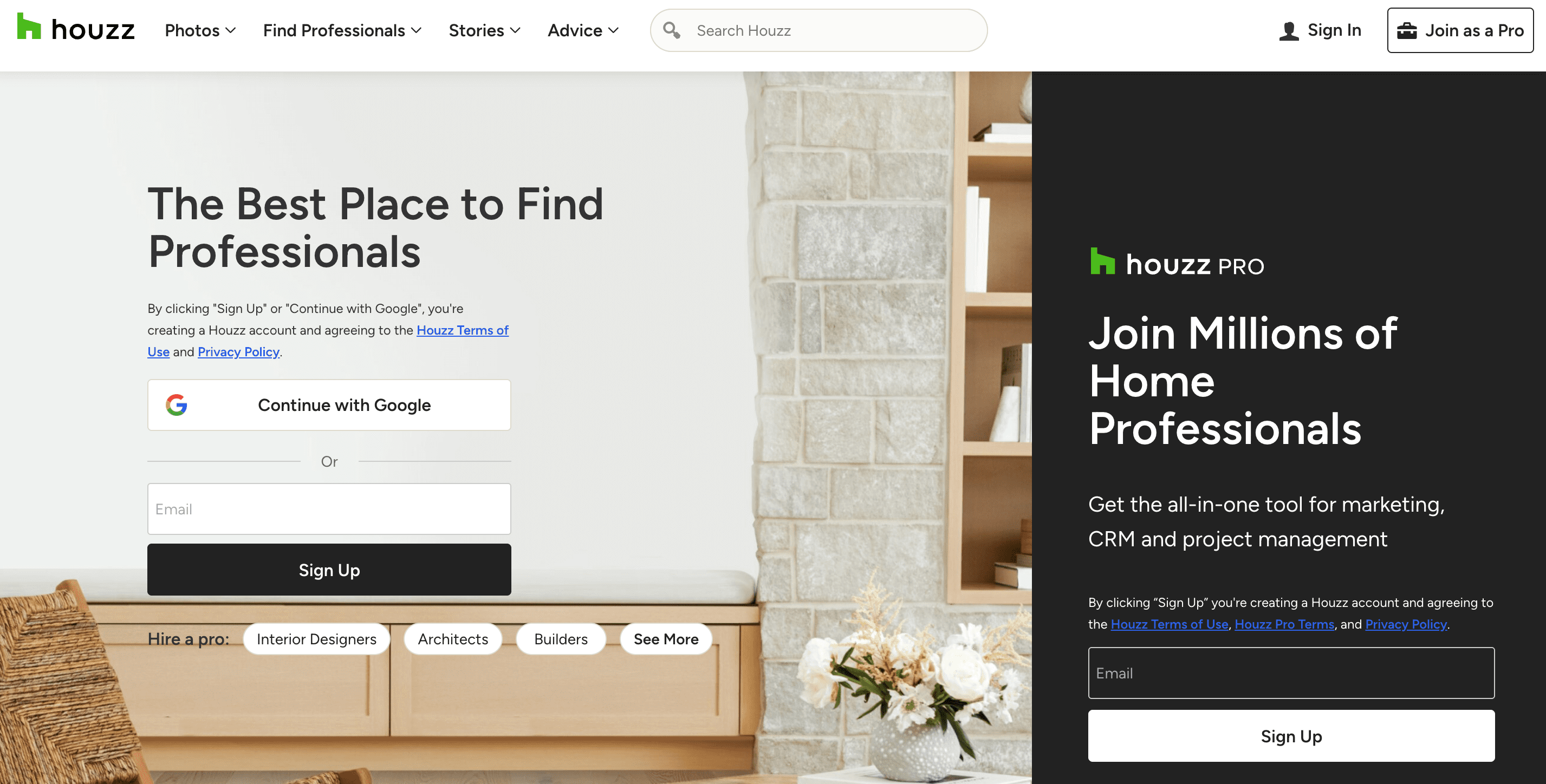
General directory listings on sites like Yelp or social media like Facebook are a great start, but industry specialists like Houzz or House and Garden List will also help secure more relevant traffic back to your site. Local directories, such as those attached to local newspapers, are also valuable options.
You do need to make sure to use relevant and reputable websites and directory listings though. Getting spammy or low quality backlinks will not benefit your site, and these citations could actually harm your SEO.
As well as scouting new directories, seek out any existing entries you might have. Make sure your contact information is consistent and complete across every entry. This will boost the ‘trustworthiness’ of your website in Google’s eyes, as well as further reinforcing your business location.
By the time you’re included in local directories and have earned links from other local businesses and community groups, you’ll already be sitting on an impressive list of backlinks, but there’s always space for more.
Invest in digital PR by contacting local news sources, relevant blogs, or influencers with positive stories about your business. When you’ve created locally relevant content, this could also be useful for winning links from local sources.
Home and garden businesses have the opportunity to appeal to the masses, as your products have such a wide appeal and potential for interest. Embrace this scope to earn relevant backlinks from all kinds of places.
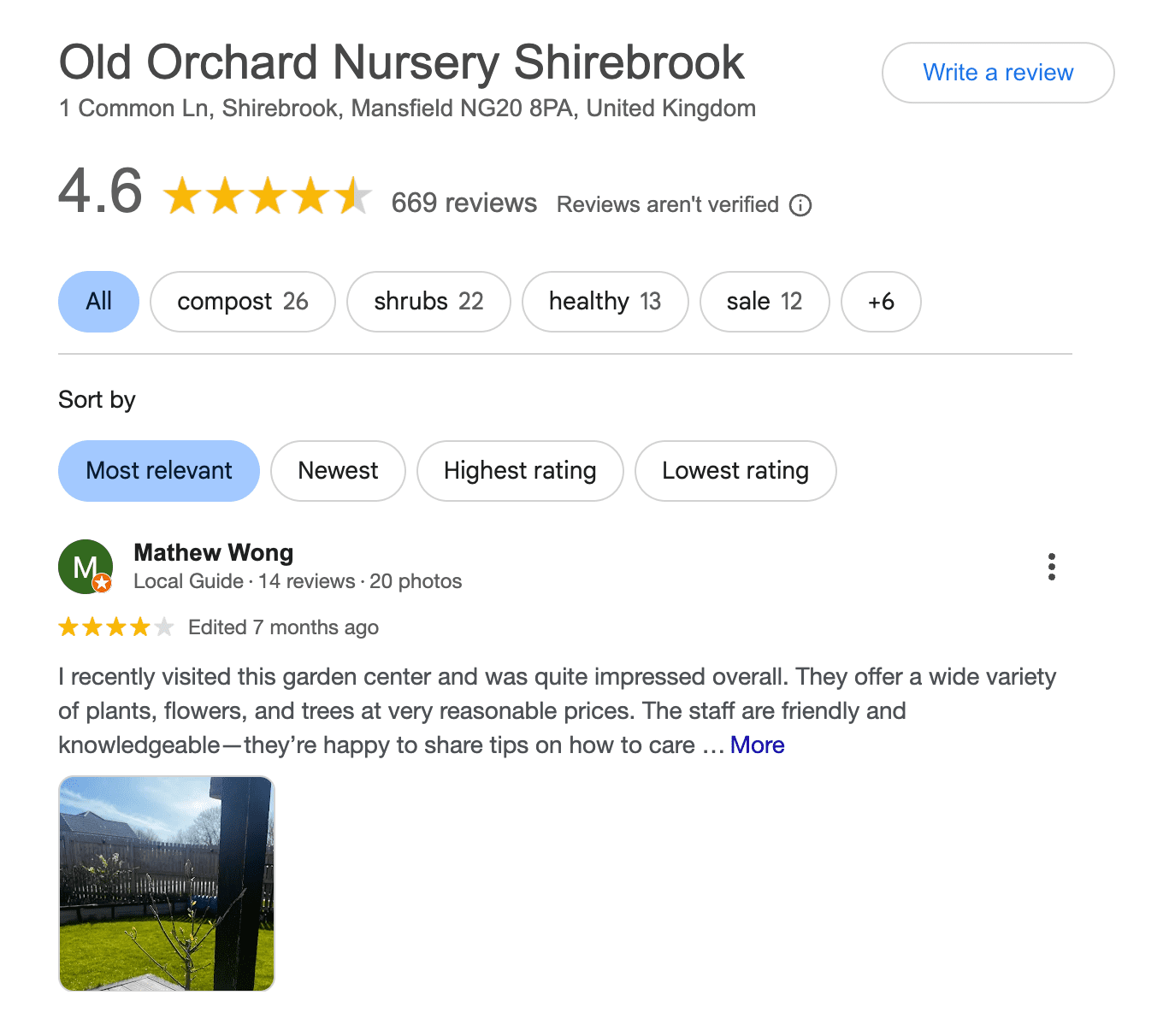
When it comes to showing search engines how great your business is, social proof is a big boost. And the most reliable online social proof is online reviews.
To improve your local SEO performance, the best place to collect more positive reviews is your Google Business Profile. However, all reviews will have a benefit, and it can help encourage people to leave them if they’re able to do so on a platform they already use on a regular basis.
The most effective way to collect them is to request reviews after purchases – this will also ensure reviews are from actual customers. Automated emails are an easy way to do this, but make the process as easy as possible for potential reviewers. The easier you make it, the more likely people are to do it.
Invite satisfied customers to leave positive feedback by sharing a link to your website (or putting a QR code on physical items like receipts). The easier you make it, the more likely they are to do it.
It can also be beneficial to make it clear just how much it will help. A lot of people underestimate the benefits a positive review can bring, and consider it more effort for them than it is worth for you. Explain that you get a range of benefits from the review so they understand its value.
Finally, make sure to acknowledge and reply to reviews on various platforms. Even negative reviews can be useful if you can give an understanding response that balances out the negative experience – but don’t ignore them or ‘fight back’.
Customer reviews won’t just help impress search engines either. Local SEO experts BrightLocal found that 74% of consumers read two or more reviews when researching local businesses, so effective review curation can be a vital conversion tool too.
Local SEO is the only way to convince search engines to showcase your business, but it isn’t always easy. If you’re struggling to get your business seen on local search, our team of SEO experts can help you refine your strategy, boost your SEO performance and uncover your true potential.Talk to us today to find out more.
Sign up to The Digital Maze Newsletter